


Protection against ascending infection of the genital tract by Chlamydia trachomatis is associated with recruitment of major histocompatibility complex class II antigen-presenting cells into uterine tissue
- PMID: 9673231
- PMCID: PMC108384
- DOI: 10.1128/IAI.66.8.3535-3544.1998
Protection against ascending infection of the genital tract by Chlamydia trachomatis is associated with recruitment of major histocompatibility complex class II antigen-presenting cells into uterine tissue
Abstract
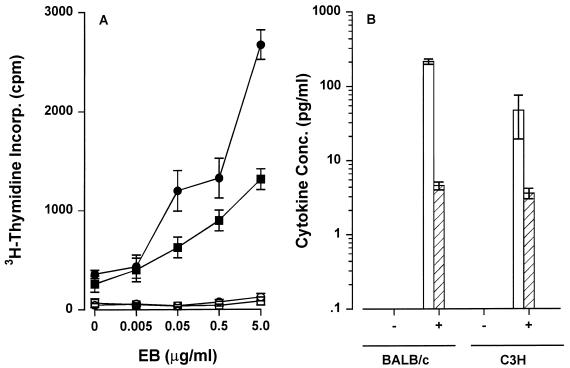
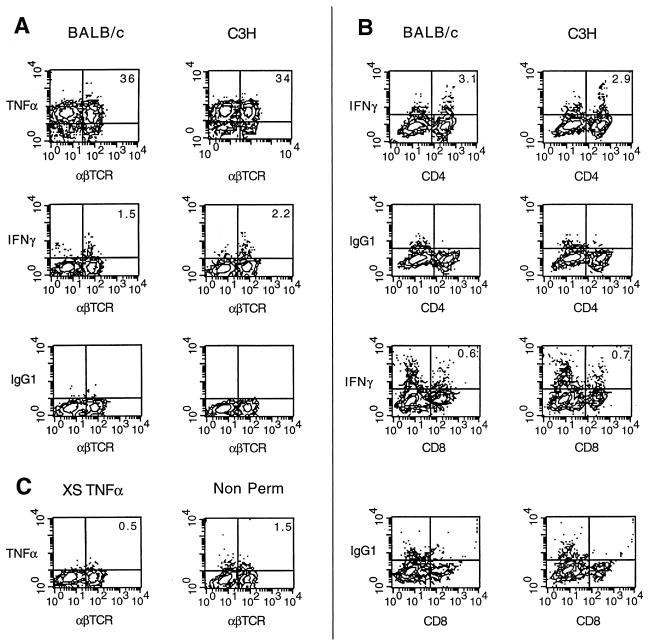
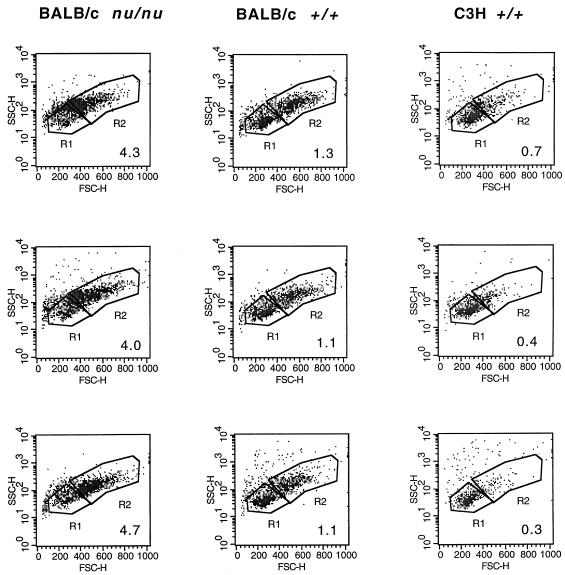
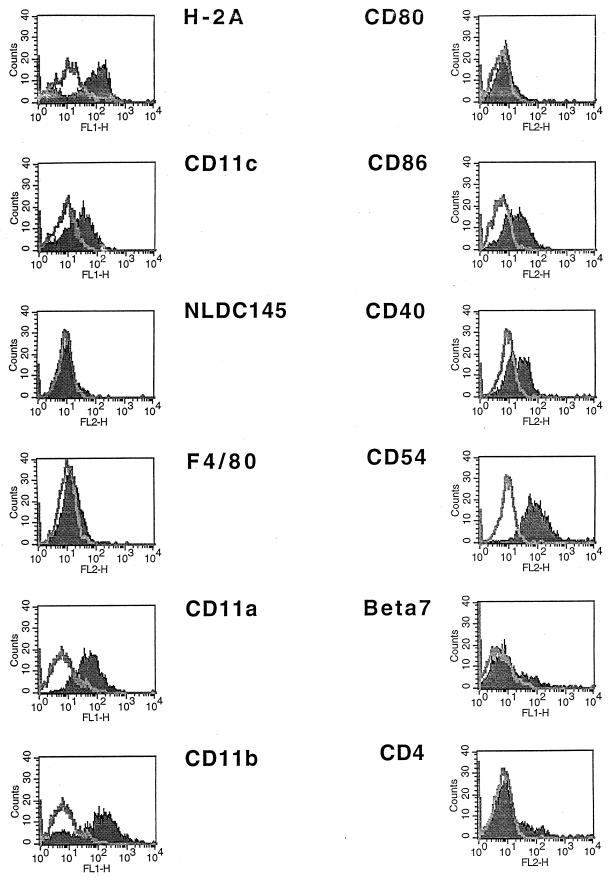
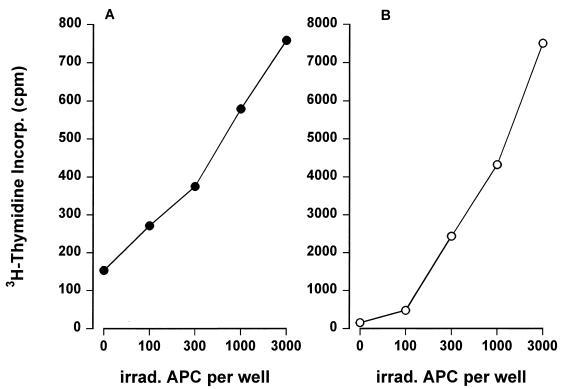
A mouse model of ascending infection following intravaginal inoculation with a strain of Chlamydia trachomatis isolated from humans has been used to identify immune mechanisms associated with protection against genital infection. BALB/c and C3H mice differed in their susceptibilities to infection and inflammatory disease. In both mouse strains, ascension of the organism and recruitment of bone marrow-derived mononuclear leukocytes were evident in uterine tissue 1 week postinfection. By 3 weeks the organism had been cleared and inflammation had been resolved in the BALB/c mice, but both persisted in the C3H animals. In athymic nude BALB/c mice both the organism and inflammation persisted, indicating the influence of the hosts' immune response on the outcome of infection. Both BALB/c and C3H mice had a Th1 response in draining lymph nodes, with predominant production of gamma interferon and tumor necrosis factor alpha, low levels of interleukin-10, and no detectable levels of interleukin-4. However, the composition of the early uterine infiltrate differed in these two mouse strains. Cell surface labeling and analysis of light scatter properties by flow cytometry identified a population of large, CD45(+) major histocompatibility complex class II mononuclear cells, which were a prominent feature of the infiltrates in BALB/c mice but were present in significantly lower numbers in C3H mice. These cells expressed the costimulatory molecules CD86 and CD40 and stimulated allogeneic T cells, suggesting that these mononuclear cells are a population of antigen-presenting cells and that they may play a role in clearing antigen and protecting against inflammatory disease in BALB/c mice. An additional level of immunological control may thus exist in genital chlamydial infection.
Figures


References
-
- Brunham R C, Kimani J, Bwayo J, Maitha G, Maclean I, Yang C, Shen C, Roman S, Nagelkerke N J D, Cheang M, Plummer F A. The epidemiology of Chlamydia trachomatis within a sexually transmitted diseases core group. J Infect Dis. 1996;173:950–956. - PubMed
Publication types
MeSH terms
Substances
LinkOut - more resources
Full Text Sources
Medical
Molecular Biology Databases
Research Materials
Miscellaneous
