


A novel mechanism for the acquisition of virulence by a human influenza A virus
- PMID: 9707628
- PMCID: PMC21489
- DOI: 10.1073/pnas.95.17.10224
A novel mechanism for the acquisition of virulence by a human influenza A virus
Abstract
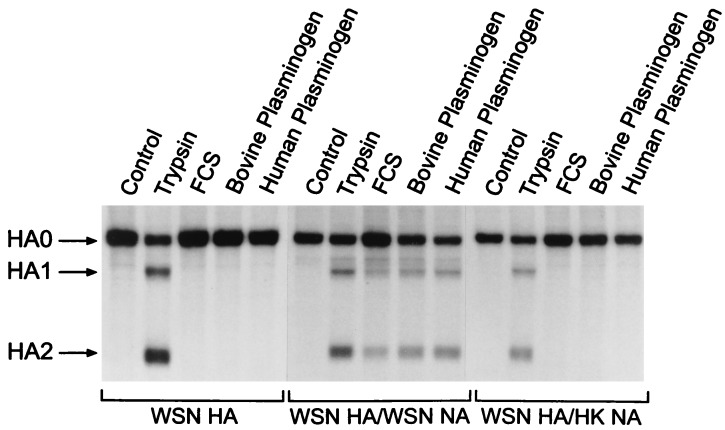
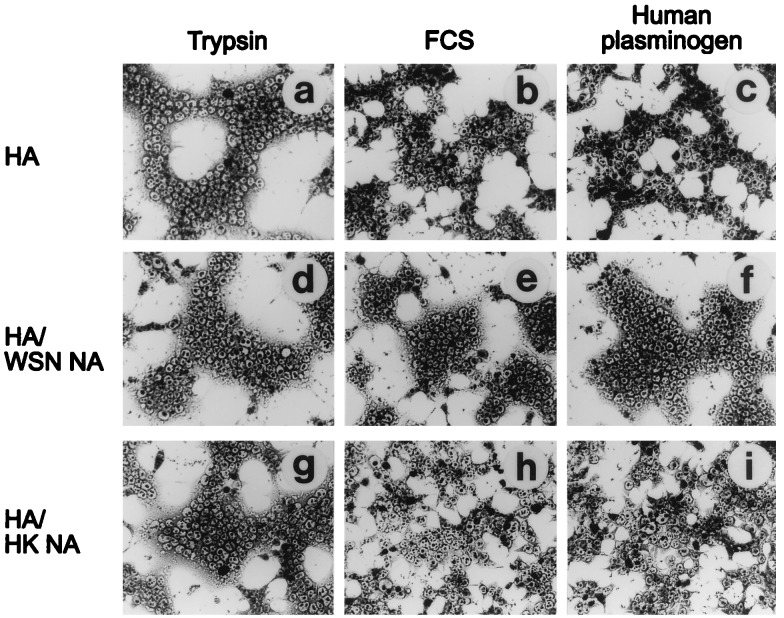
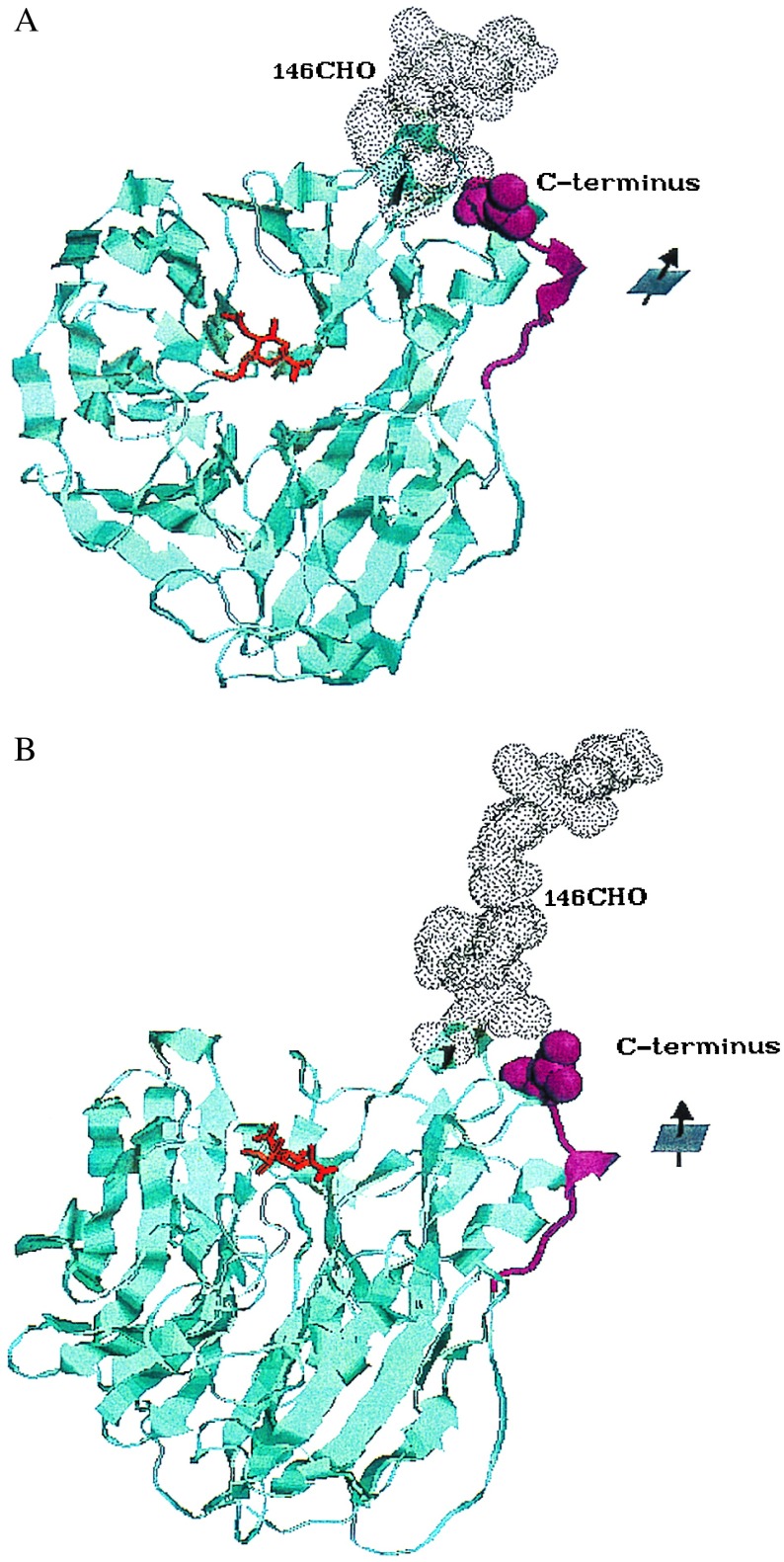
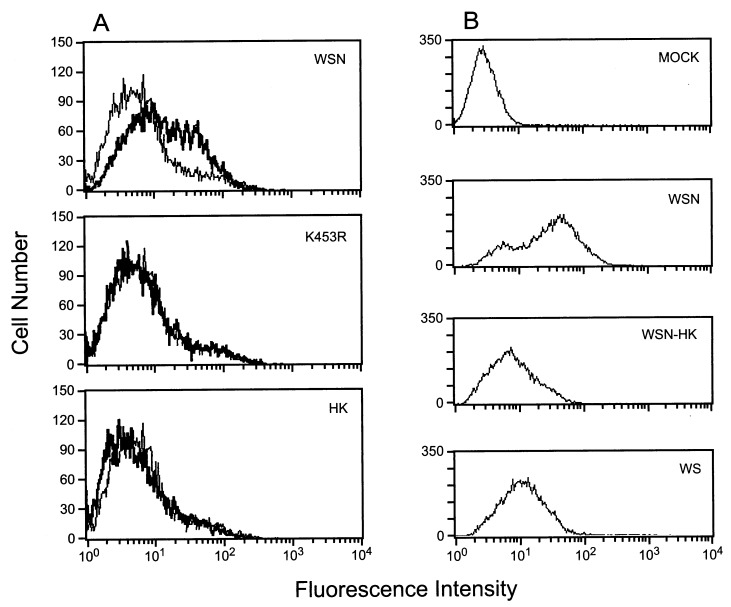
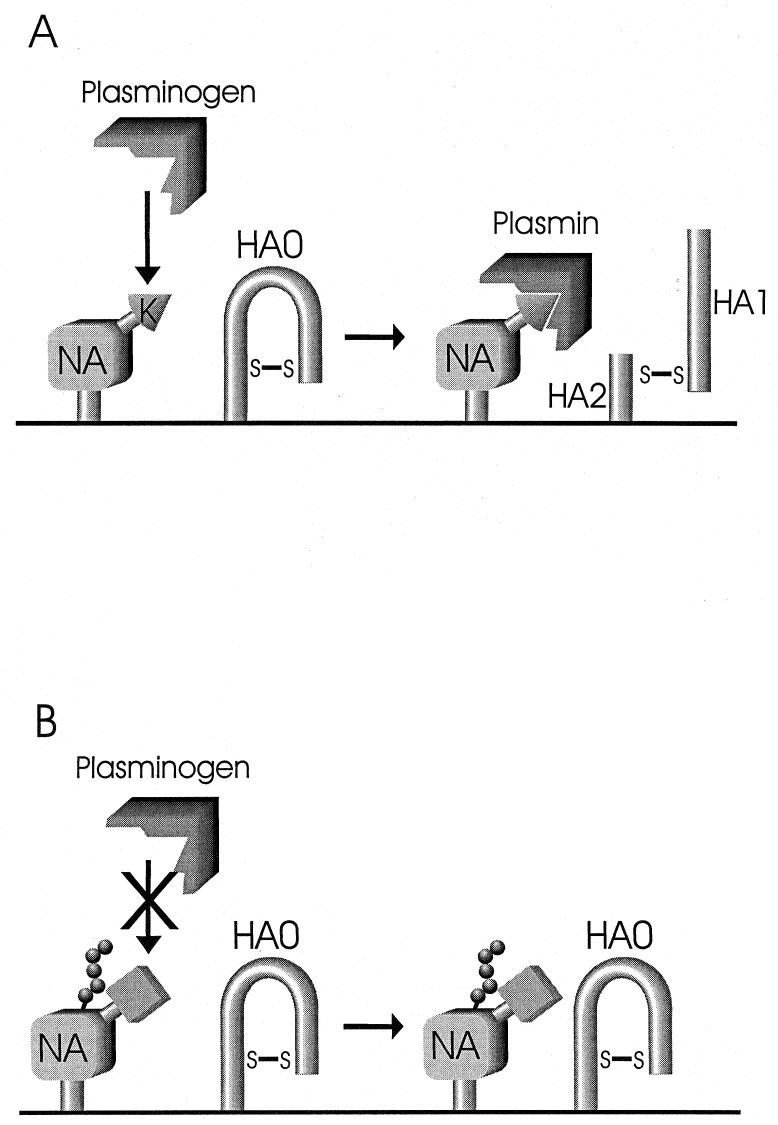
Cleavage of the hemagglutinin (HA) molecule by proteases is a prerequisite for the infectivity of influenza A viruses. Here, we describe a novel mechanism of HA cleavage for a descendant of the 1918 pandemic strain of human influenza virus. We demonstrate that neuraminidase, the second major protein on the virion surface, binds and sequesters plasminogen, leading to higher local concentrations of this ubiquitous protease precursor and thus to increased cleavage of the HA. The structural basis of this unusual function of the neuraminidase molecule appears to be the presence of a carboxyl-terminal lysine and the absence of an oligosaccharide side chain at position 146 (N2 numbering). These findings suggest a means by which influenza A viruses, and perhaps other viruses as well, could become highly pathogenic in humans.
Figures
Comment in
-
Influenza virus hemagglutinin cleavage into HA1, HA2: no laughing matter.Proc Natl Acad Sci U S A. 1998 Aug 18;95(17):9713-5. doi: 10.1073/pnas.95.17.9713. Proc Natl Acad Sci U S A. 1998. PMID: 9707539 Free PMC article. Review. No abstract available.
References
-
- Paulson J C. In: Interactions of Animal Viruses with Cell Surface Receptors. Connor M, editor. Orlando, FL: Academic; 1985. pp. 131–219.
-
- Klenk H-D, Garten W. Trends Microbiol. 1994;2:39–43. - PubMed
-
- Palese P, Tobita K, Ueda M, Compans R W. Virology. 1974;61:397–410. - PubMed
-
- Air G M, Laver W G. Proteins Struct Funct Genet. 1989;6:341–356. - PubMed
-
- Lazarowitz S G, Choppin P W. Virology. 1975;68:440–454. - PubMed
Publication types
MeSH terms
Substances
Grants and funding
LinkOut - more resources
Full Text Sources
Other Literature Sources
