


Dual signaling of the Fas receptor: initiation of both apoptotic and necrotic cell death pathways
- PMID: 9730893
- PMCID: PMC2213397
- DOI: 10.1084/jem.188.5.919
Dual signaling of the Fas receptor: initiation of both apoptotic and necrotic cell death pathways
Abstract
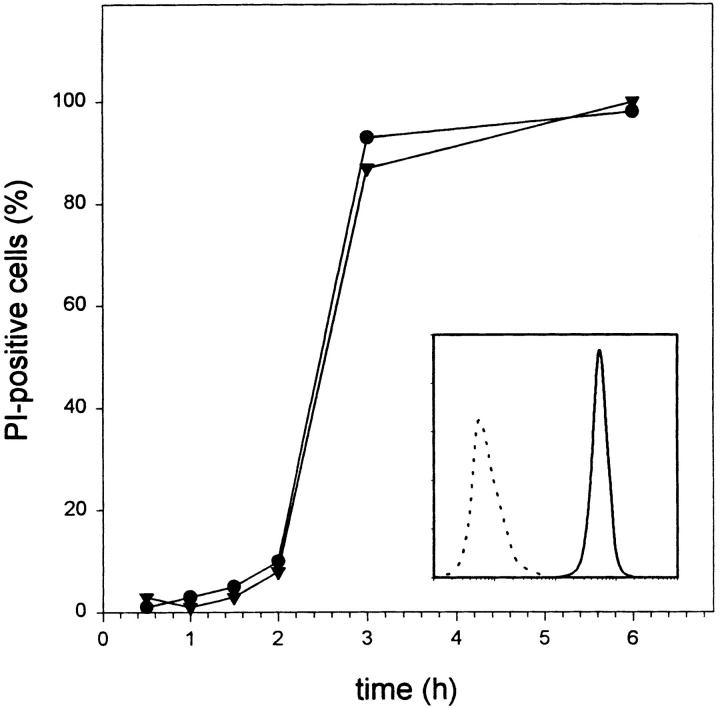
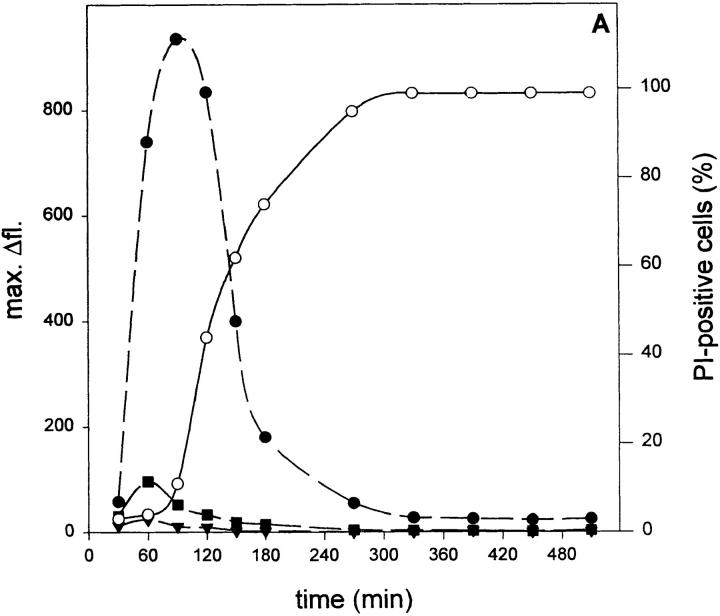
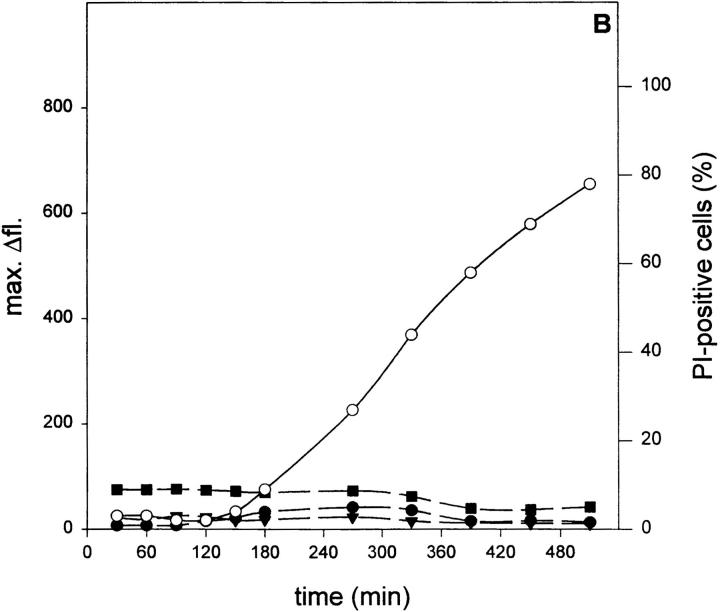
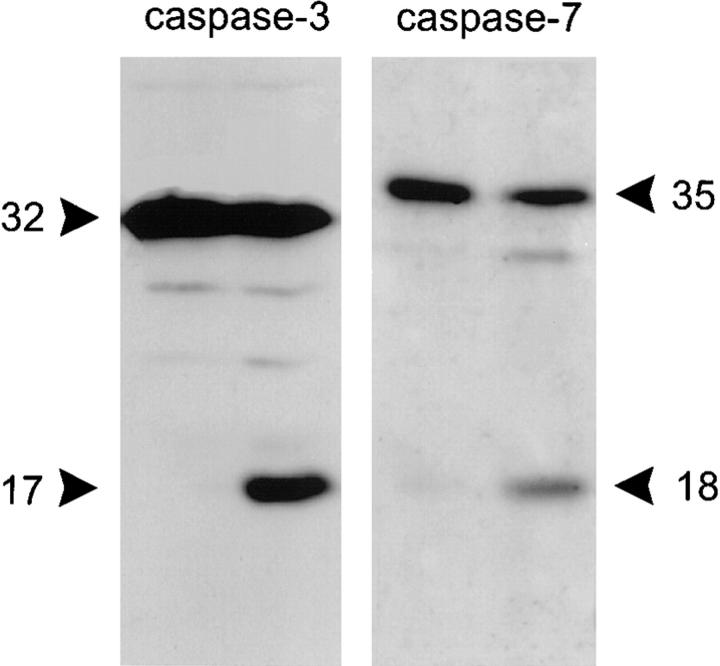
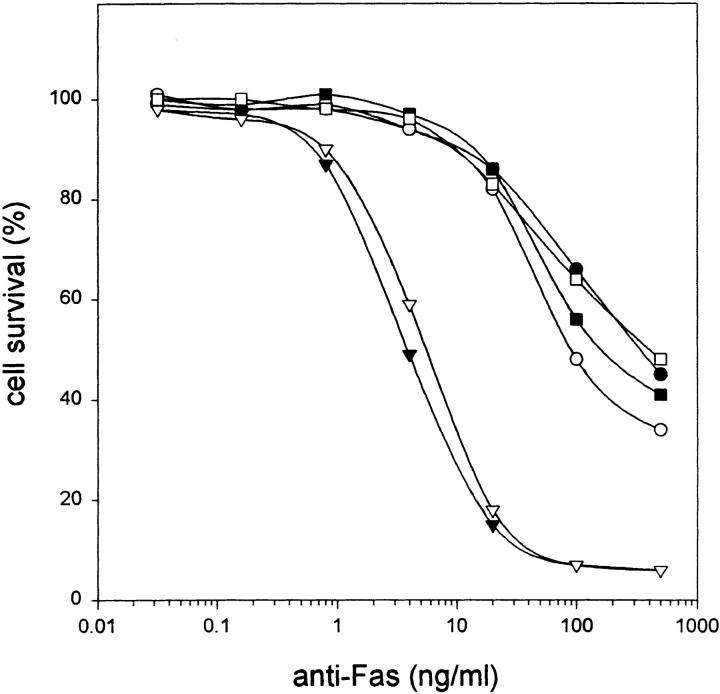
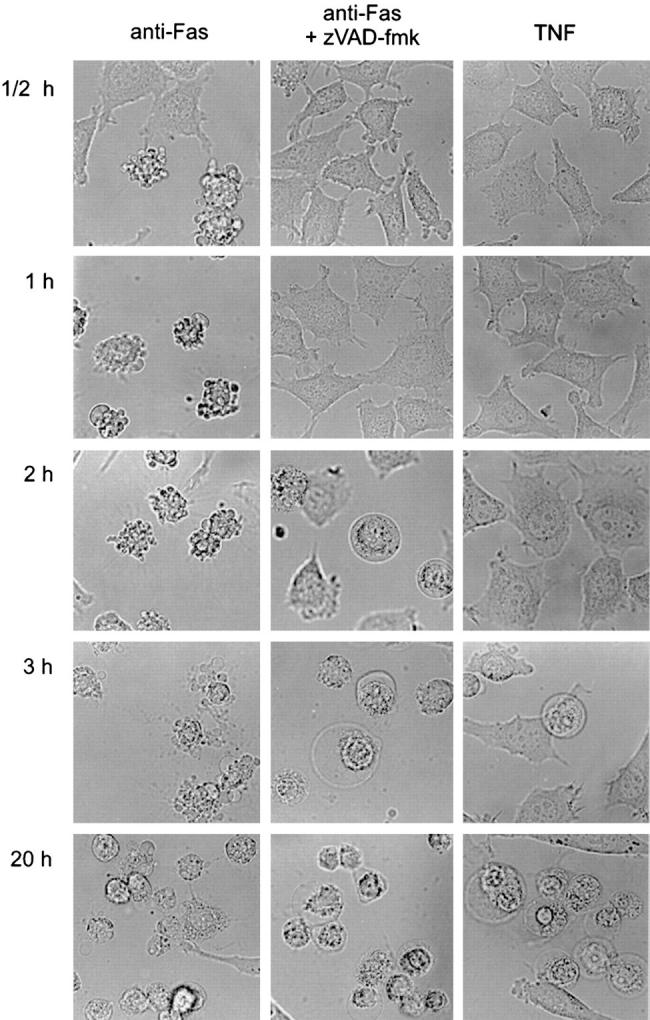
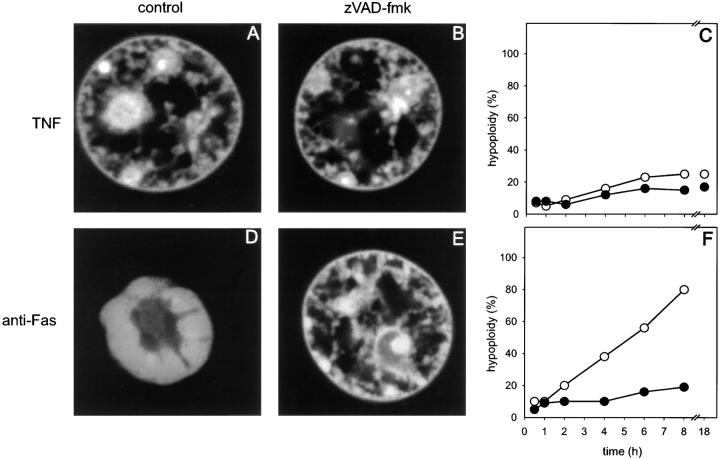
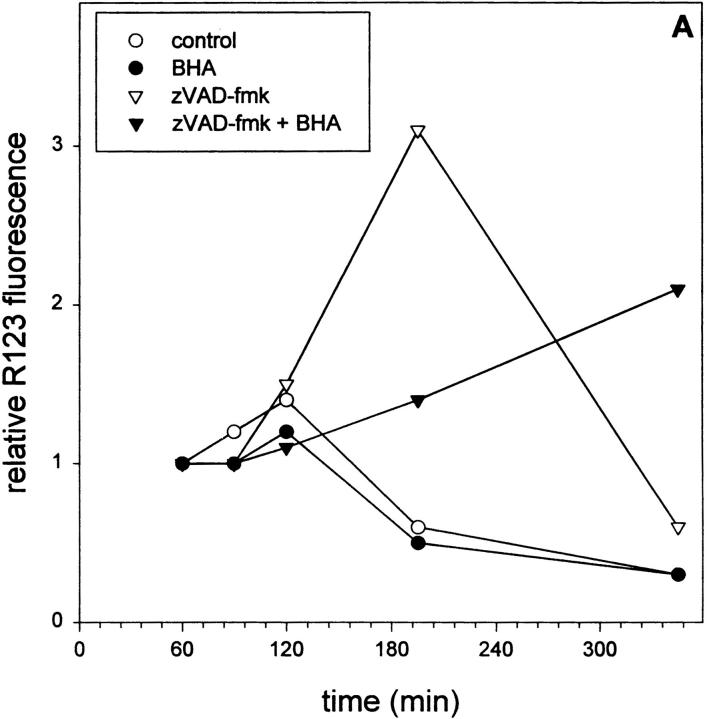
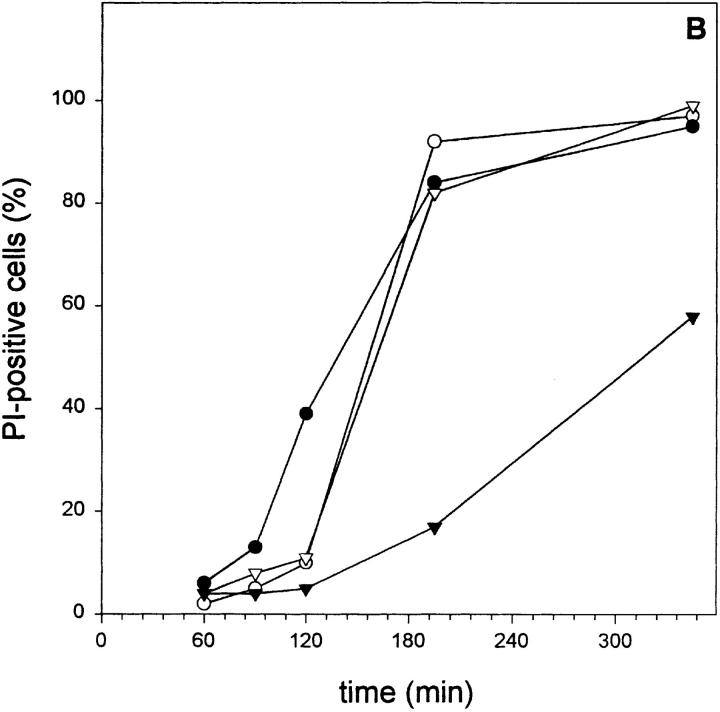
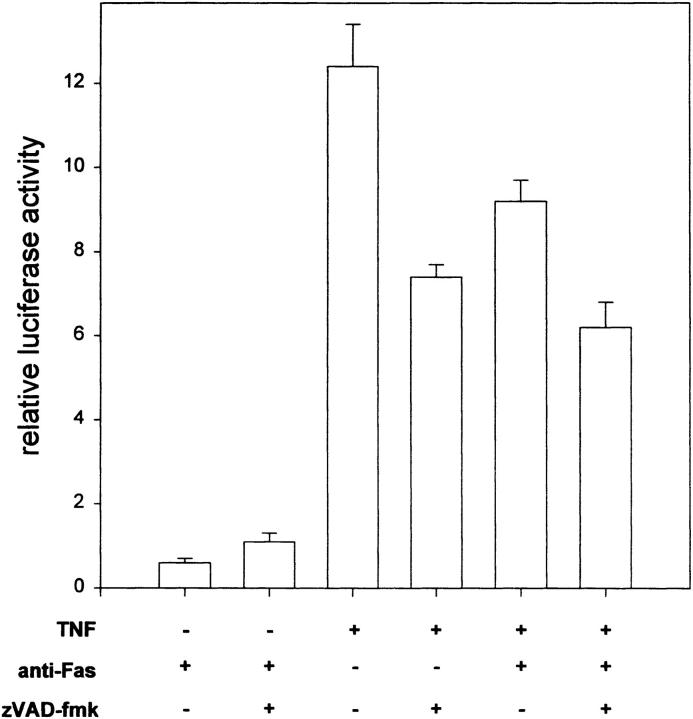
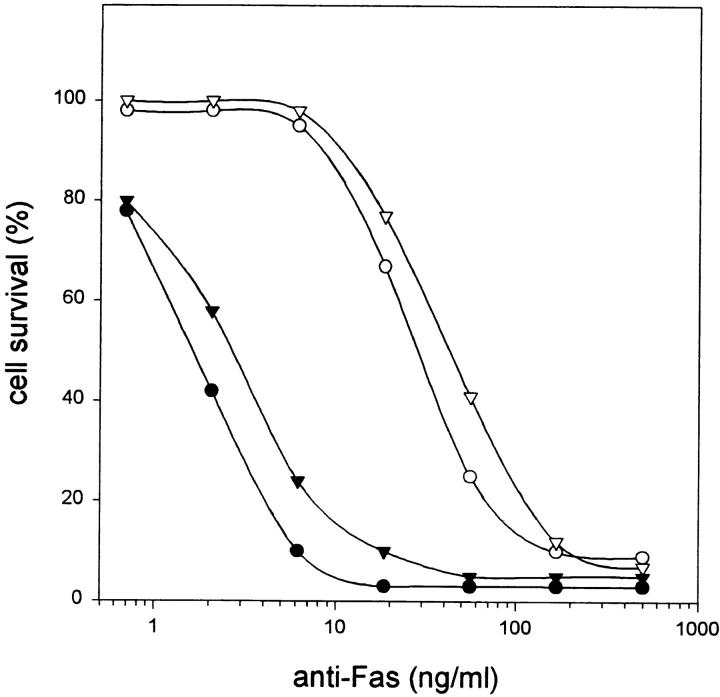
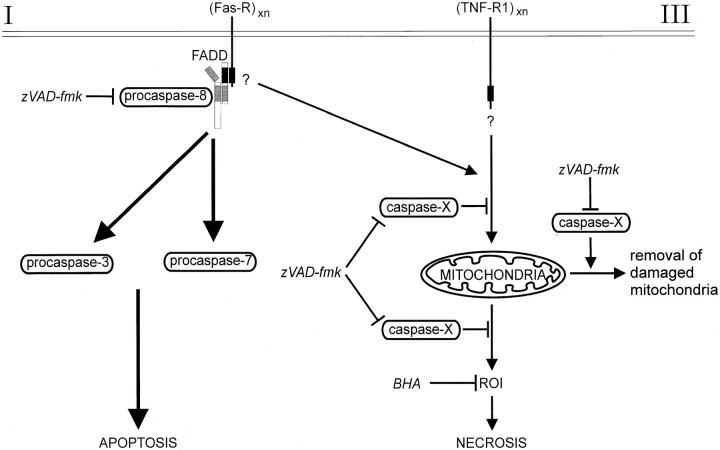
Murine L929 fibrosarcoma cells were transfected with the human Fas (APO-1/CD95) receptor, and the role of various caspases in Fas-mediated cell death was assessed. Proteolytic activation of procaspase-3 and -7 was shown by Western analysis. Acetyl-Tyr-Val-Ala-Asp-chloromethylketone and benzyloxycarbonyl-Asp(OMe)-Glu(OMe)-Val-Asp(OMe)-fluoromethylketone++ +, tetrapeptide inhibitors of caspase-1- and caspase-3-like proteases, respectively, failed to block Fas-induced apoptosis. Unexpectedly, the broad-spectrum caspase inhibitors benzyloxycarbonyl-Val-Ala-Asp(OMe)-fluoromethylketone and benzyloxycarbonyl-Asp(OMe)-fluoromethylketone rendered the cells even more sensitive to Fas-mediated cell death, as measured after 18 h incubation. However, when the process was followed microscopically, it became clear that anti-Fas-induced apoptosis of Fas-transfected L929 cells was blocked during the first 3 h, and subsequently the cells died by necrosis. As in tumor necrosis factor (TNF)-induced necrosis, Fas treatment led to accumulation of reactive oxygen radicals, and Fas-mediated necrosis was inhibited by the oxygen radical scavenger butylated hydroxyanisole. However, in contrast to TNF, anti-Fas did not activate the nuclear factor kappaB under these necrotic conditions. These results demonstrate the existence of two different pathways originating from the Fas receptor, one rapidly leading to apoptosis, and, if this apoptotic pathway is blocked by caspase inhibitors, a second directing the cells to necrosis and involving oxygen radical production.
Figures
References
-
- Grooten J, Goossens V, Vanhaesebroeck B, Fiers W. Cell membrane permeabilization and cellular collapse, followed by loss of dehydrogenase activity: early events in tumour necrosis factor-induced cytotoxicity. Cytokine. 1993;5:546–555. - PubMed
-
- Wyllie AH, Kerr JFR, Currie AR. Cell death: the significance of apoptosis. Int Rev Cytol. 1980;68:251–306. - PubMed
-
- Jacobson MD, Weil M, Raff MC. Programmed cell death in animal development. Cell. 1997;88:347–354. - PubMed
-
- Thompson C. Apoptosis in the pathogenesis and treatment of disease. Science. 1995;267:1456–1462. - PubMed
Publication types
MeSH terms
Substances
LinkOut - more resources
Full Text Sources
Other Literature Sources
Research Materials
Miscellaneous
