


Serp2, an inhibitor of the interleukin-1beta-converting enzyme, is critical in the pathobiology of myxoma virus
- PMID: 9733819
- PMCID: PMC110100
- DOI: 10.1128/JVI.72.10.7830-7839.1998
Serp2, an inhibitor of the interleukin-1beta-converting enzyme, is critical in the pathobiology of myxoma virus
Abstract
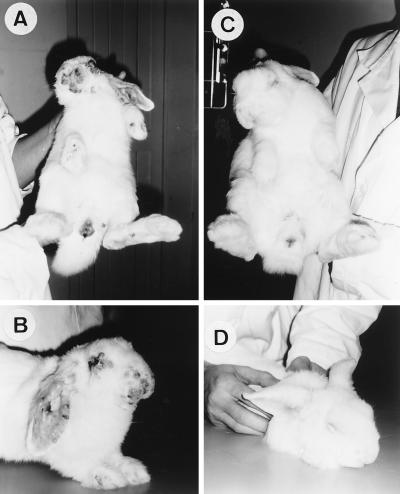
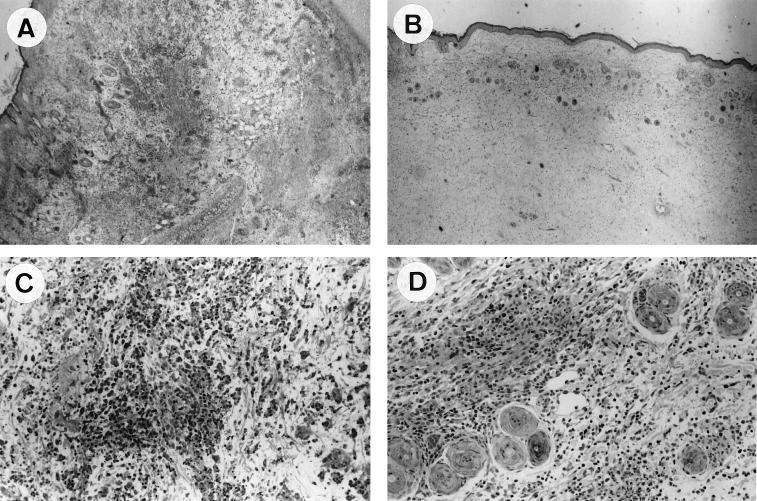
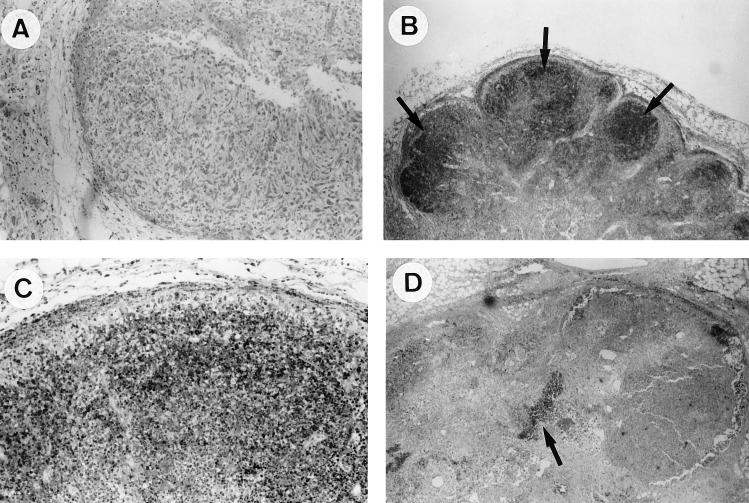
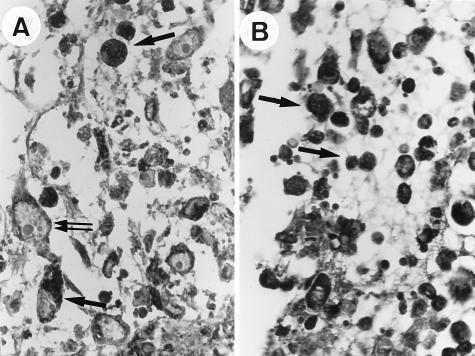
Recently, myxoma virus was shown to encode an additional member of the serpin superfamily. The viral gene, called serp2, was cloned, and the Serp2 protein was shown to specifically bind to interleukin-1beta (IL-1beta)-converting enzyme (ICE), thus inhibiting the cleavage of pro-IL-1beta by the protease (F. Petit, S. Bertagnoli, J. Gelfi, F. Fassy, C. Boucraut-Baralon, and A. Milon, J. Virol. 70:5860-5866, 1996). Here, we address the role of Serp2 in the development of myxomatosis, a lethal infectious disease of the European rabbit. A Serp2 mutant myxoma virus was constructed by disruption of the single-copy serp2 gene and insertion of the Escherichia coli gpt gene serving as the selectable marker. A revertant virus was obtained by replacing the E. coli gpt gene by the intact serp2 open reading frame. The Serp2(-) mutant virus replicated with wild-type kinetics both in rabbit fibroblasts and a rabbit CD4(+) T-cell line (RL5). Moderate reduction of cell surface levels of major histocompatibility complex I was observed after infection with wild-type or Serp2(-) mutant myxoma virus, and both produced white pocks on the chorioallantoic membrane of the chick embryo. After the infection of European rabbits, the Serp2(-) mutant virus proved to be highly attenuated compared to wild-type myxoma virus, as demonstrated by the clinical course of myxomatosis and the survival rates of infected animals. Pathohistological examinations revealed that infection with wild-type myxoma virus resulted in a blockade of the inflammatory response at the vascular level. In contrast, rapid inflammatory reactions occurred upon infection with the Serp2(-) mutant virus. Furthermore, lymphocytes in lymph nodes derived from animals inoculated with Serp2 mutant virus were shown to rapidly undergo apoptosis. We postulate that the virulence of myxoma virus in the European rabbit can be partially attributed to an impairment of host inflammatory processes and to the prevention of apoptosis in lymphocytes. The weakening of host defense is directly linked to serp2 gene function and is likely to involve the inhibition of IL-1beta-converting-enzyme-dependent pathways.
Figures
References
-
- Aiken C, Konner J, Landau N R, Lenburg M E, Trono D. Nef induces CD4 endocytosis: requirement for a critical dileucine motif in the membrane-proximal CD4 cytoplasmic domain. Cell. 1994;76:853–864. - PubMed
-
- Alcami A, Smith G L. A soluble receptor for interleukin-1β encoded by vaccinia virus: a novel mechanism of virus modulation of the host response to infection. Cell. 1992;71:153–167. - PubMed
-
- Alcami A, Smith G L. Cytokine receptors encoded by poxviruses: a lesson in cytokine biology. Immunol Today. 1995;16:474–478. - PubMed
-
- Alcami A, Smith G L. Soluble interferon-gamma receptors encoded by poxviruses. Comp Immunol Microbiol Infect Dis. 1996;19:305–317. - PubMed
Publication types
MeSH terms
Substances
LinkOut - more resources
Full Text Sources
Other Literature Sources
Research Materials
