Interaction of Streptococcus pneumoniae and Moraxella catarrhalis: investigation of the indirect pathogenic role of beta-lactamase-producing moraxellae by use of a continuous-culture biofilm system
- PMID: 9756750
- PMCID: PMC105877
- DOI: 10.1128/AAC.42.10.2521
Interaction of Streptococcus pneumoniae and Moraxella catarrhalis: investigation of the indirect pathogenic role of beta-lactamase-producing moraxellae by use of a continuous-culture biofilm system
Abstract
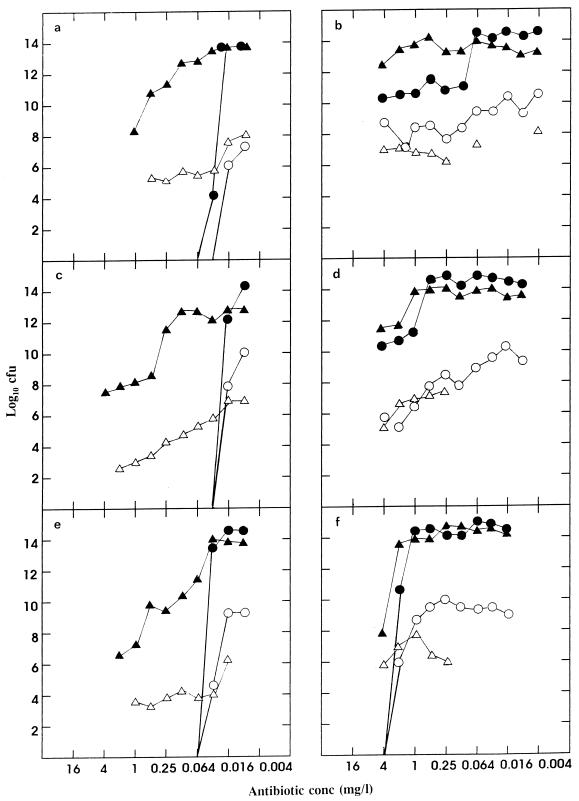
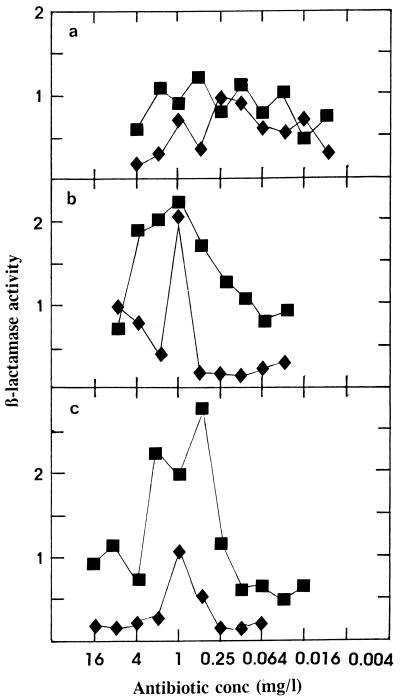
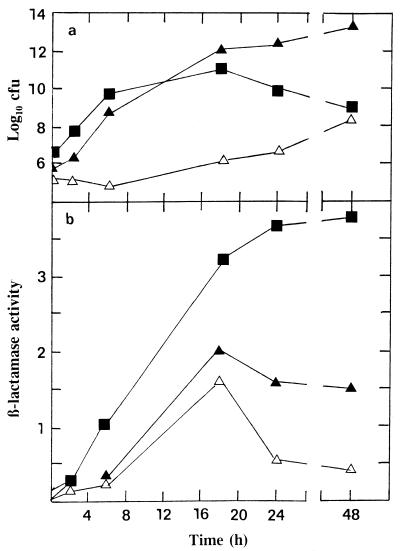
The majority of clinical isolates of Moraxella catarrhalis produce beta-lactamase. The role of this enzyme in the phenomenon of indirect pathogenicity, in which a true pathogen such as Streptococcus pneumoniae is protected from the action of certain beta-lactam antibiotics, is well recognized. By using a simple continuous-culture biofilm system, it has been shown that the pneumococcus attains high titers in excess of 10(12) CFU/biofilm; furthermore, the penicillin-sensitive pneumococcus used remained susceptible to a range of beta-lactam antibiotics in these biofilms (R. K. Budhani and J. K. Struthers, J. Antimicrob. Chemother. 40:601-602, 1997). This system was used to characterize the antibiotic susceptibility of this isolate when grown with beta-lactamase-negative or -positive moraxellae. When grown with beta-lactamase-producing moraxellae in the presence of either benzylpenicillin or amoxicillin, the pneumococcus was protected in the range of the antibiotic concentrations to which it would be considered resistant. With amoxicillin-clavulanic acid the titers of the two organisms collapsed at the antibiotic concentration at which moraxellae became susceptible. The levels of beta-lactamase activity in cell-free supernatants of broth culture, in biofilm, and in biofilm effluent revealed distinct differences in this activity; levels in biofilm were significantly lower than those in broth culture supernatants. The system appears suitable for studying organisms under antibiotic stress and for investigating the interactions of bacteria under such conditions.
Figures
References
-
- Brook I. The concept of indirect pathogenicity by β-lactamase production, especially in ear, nose and throat infection. J Antimicrob Chemother. 1989;24:63–72. - PubMed
-
- Budhani R K, Struthers J K. The use of Sorbarod biofilms to determine the antimicrobial susceptibilities of a strain of Streptococcus pneumoniae. J Antimicrob Chemother. 1997;40:601–602. - PubMed
-
- Duguid I G, Evans E, Brown M R W, Gilbert P. Effect of biofilm culture on the susceptibility of Staphylococcus epidermidis to tobramycin. J Antimicrob Chemother. 1992;30:803–810. - PubMed
Publication types
MeSH terms
Substances
LinkOut - more resources
Full Text Sources
Other Literature Sources
Molecular Biology Databases