


Sinusitis in the common cold
- PMID: 9768580
- PMCID: PMC7112288
- DOI: 10.1016/s0091-6749(98)70127-7
Sinusitis in the common cold
Abstract
Background: Acute community-acquired sinusitis is considered a bacterial complication of the common cold. Radiologic abnormalities in sinuses occur, however, in most patients with upper respiratory virus infections.
Objective: Assessment of the occurrence, clinical profile, laboratory findings, and outcome of radiologically confirmed sinusitis was carried out as part of a common cold study in young adults.
Methods: Clinical examinations and radiography of the paranasal sinuses were carried out on days 1, 7, and 21 in 197 patients with the common cold. The symptoms were recorded on diary cards on days 1 to 20. Ten viruses and 5 bacteria were studied as etiologic agents of common cold as reported earlier. Serum C reactive protein concentrations, erythrocyte sedimentation rates, and total white blood cell counts with differentials were determined in 40 randomized subjects on day 7. The effect of 6 days of intranasal fluticasone propionate treatment of the common cold in the prevention of sinusitis was analyzed.
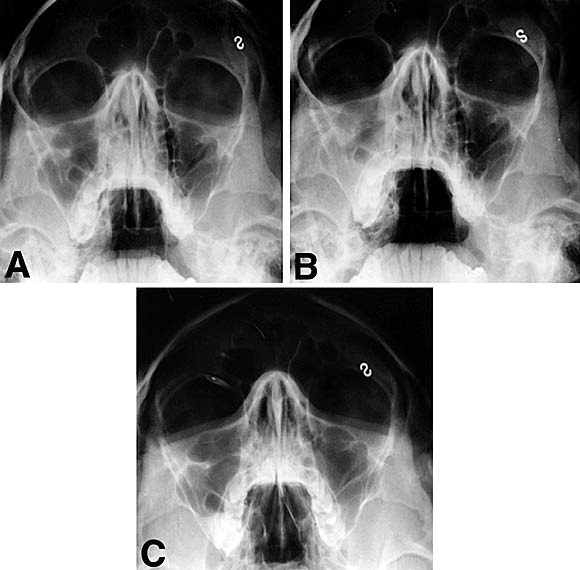
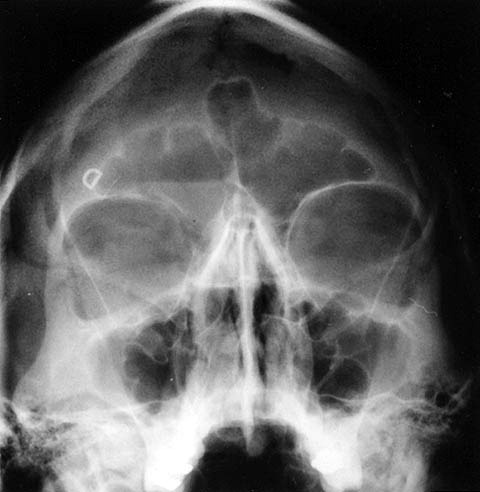
Results: On day 7, 39% of patients with the common cold in the placebo group (n = 98) had sinusitis, which we would prefer to call viral sinusitis. The symptoms of patients with sinusitis and those without it were not clinically distinguishable. Viral infection was detected in 81.6% of patients with sinusitis. No significantly increased levels of antibodies to bacteria were detected. Serum C reactive protein concentrations, erythrocyte sedimentation rates, and white blood cell counts were low in patients with sinusitis. All patients made a clinical recovery within 21 days without antibiotic treatment. Fluticasone propionate treatment tended to prevent paranasal sinusitis, especially in rhinovirus-positive subjects.
Conclusion: Viral sinusitis frequently occurs in the early days of the common cold, but it is a self-limited illness. The sinuses should not be imaged in patients with the common cold if the signs and symptoms of illness gradually become less severe and no specific signs suggestive of bacterial sinusitis occur.
Figures
References
-
- Kaliner MA, Osguthorpe JD, Fireman P, Anon J, Georgitis J, Davis ML. Sinusitis: bench to bedside. Current findings, future directions. J Allergy Clin Immunol. 1997;99:S829–S847. - PubMed
-
- Gwaltney JM., Jr. Sinusitis. In: Mandell GL, Douglas RG, Bennett JE, editors. 4th ed. Churchill Livingstone; New York: 1995. pp. 585–590. (Principles and practise of infectious diseases.).
-
- Shapiro GG, Rachelefsky GS. Introduction and definition of sinusitis. J Allergy Clin Immunol. 1992;90:417–418. - PubMed
-
- Puhakka T, Mäkelä MJ, Malmström K, Uhari M, Savolainen J, Terho EO, et al. Common cold: effects of intranasal fluticasone propionate treatment. J Allergy Clin Immunol In press. - PubMed
Publication types
MeSH terms
Substances
LinkOut - more resources
Full Text Sources
Other Literature Sources
Medical
Research Materials
Miscellaneous
