Phenotypic heterogeneity may occur in congenital fibrosis of the extraocular muscles
- PMID: 9797671
- PMCID: PMC1722617
- DOI: 10.1136/bjo.82.6.676
Phenotypic heterogeneity may occur in congenital fibrosis of the extraocular muscles
Abstract
Background/aims: Congenital fibrosis of the extraocular muscles (CFEOM) is an autosomal dominant, non-progressive disorder characterised by congenital ptosis and external ophthalmoplegia. CFEOM has previously been divided into several clinical entities; general fibrosis syndrome, strabismus fixus, vertical retraction syndrome, and congenital fibrosis of the inferior rectus. The purpose of this study was to identify families with CFEOM in this geographical region in order to perform a study of the clinical presentation of this disorder and to estimate its minimum prevalence in the population.
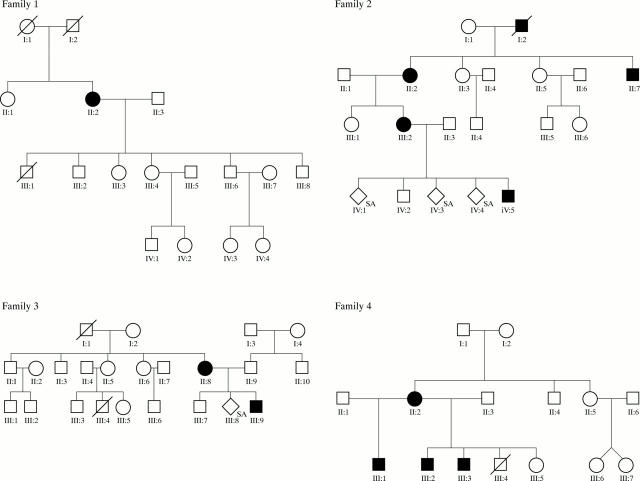
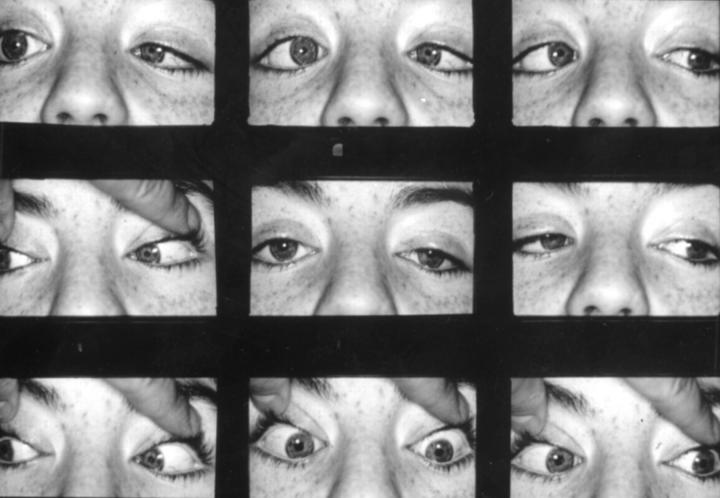
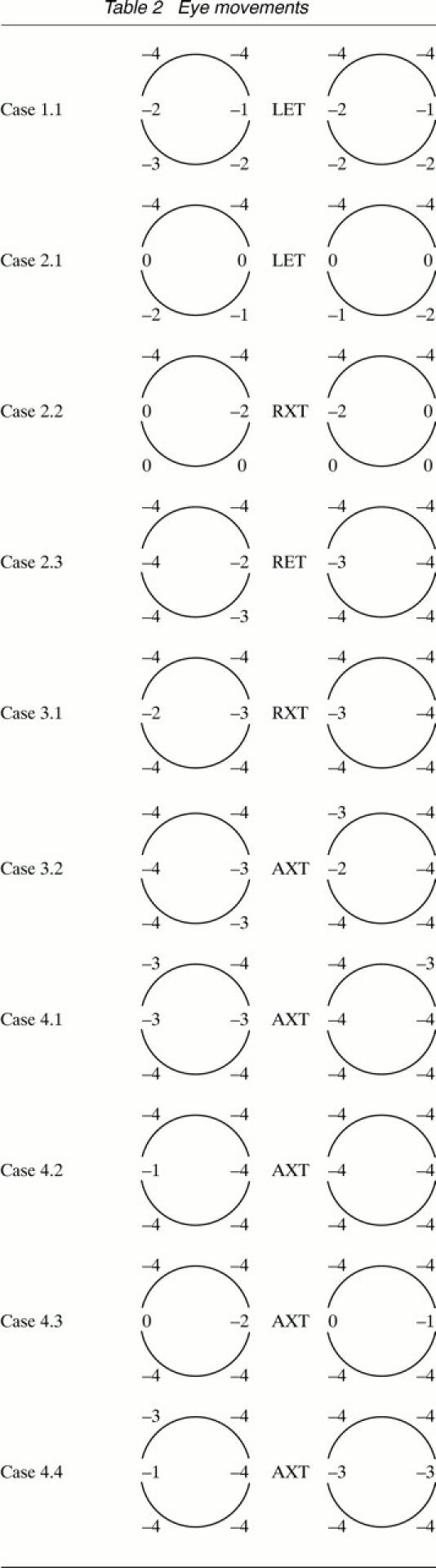
Methods: Four families were identified with CFEOM in the Wessex region from whom a full history with a pedigree was obtained. All individuals underwent ophthalmological examination.
Results/conclusion: This study shows that several of the CFEOM entities can be present within one family suggesting that these are variants of the same condition. It is suggested that subclassification is, therefore, not appropriate. The minimum prevalence of this disorder was found to be 1/230,000.
Figures


References
MeSH terms
LinkOut - more resources
Full Text Sources
Molecular Biology Databases