


Nasal carriage of staphylococcus aureus and epidemiology of surgical-site infections in a Sudanese university hospital
- PMID: 9817883
- PMCID: PMC105250
- DOI: 10.1128/JCM.36.12.3614-3618.1998
Nasal carriage of staphylococcus aureus and epidemiology of surgical-site infections in a Sudanese university hospital
Abstract
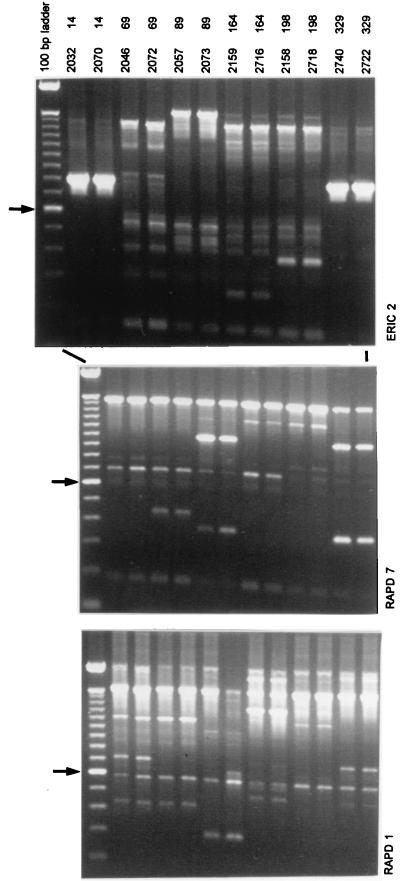
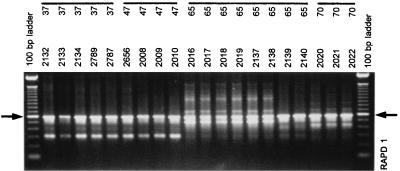
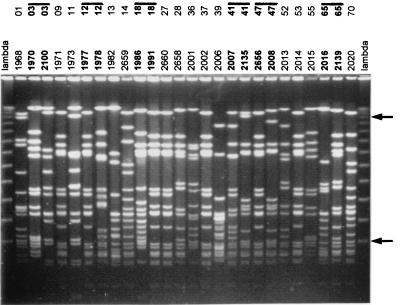
Surgical site infections (SSI) due to Staphylococcus aureus among 256 male and 158 female patients (mean age, 28 years) undergoing elective surgery at the Soba University Hospital (Khartoum, Sudan) were studied. During an 11-month study period all patients were analyzed for nasal carriage of S. aureus at the time of admission. Follow-up of the development of SSI proceeded until 4 weeks after the operations. In addition, nasal swabs were obtained periodically during the same period from 82 members of the staff. In order to discriminate autoinfection from cross infection, bacterial isolates were typed by random amplification of polymorphic DNA (RAPD), pulsed-field gel electrophoresis (PFGE) of DNA macrorestriction fragments, and restriction fragment length polymorphism analysis of the protein A and coagulase genes. Preoperative cultures revealed the presence of S. aureus in the noses of 98 patients (24%). The overall number of postsurgical wound infections in the entire group was 57 (14%), 24 of which were due to S. aureus. Only 6 of the 98 nasal S. aureus carriers suffered from wound infections by the same species. In these six cases the infecting strain could not be genetically discriminated from the nasal inhabitant, substantiating autoinfection. However, nasal carriage of S. aureus is not a significant risk factor for the development of SSI in this setting (6 of 98 patients with autoinfection versus 18 of 316 patients [414 - 98 patients] with cross infection; P = 0.81), most probably due to the fact that noncarriers are at a significant and relatively large risk for acquiring an independent S. aureus SSI. The other S. aureus strains causing SSI showed a high degree of genetic heterogeneity, demonstrating that it is not an epidemic strain that is causing the SSI. Among the staff personnel screened, 47.4% did not carry S. aureus in the nose at any time during the study period, whereas 13. 2% persistently carried a single strain in the nose. Another 39.5% could be classified as intermittent carriers. When strains derived from staff personnel were genetically typed, it was demonstrated that most of the strains represented genetic variants clearly differing from the isolates causing SSI. On the other hand, possible cross colonization among staff personnel and even cross infection from staff personnel to patients or from patient to patient were demonstrated in some cases, but epidemic spread of a single strain or a few clonally related strains of S. aureus could be excluded.
Figures
References
-
- Abugroun E A S M. Ph.D. thesis. London, United Kingdom: University of London; 1991.
-
- Ansaloni L. Tropical pyomyositis. World J Surg. 1996;20:613–617. - PubMed
-
- Centers for Disease Control and Prevention, Hospital Infections Program. National Nosocomial Infections Surveillance (NNIS) report, data summary from October 1986–April 1996, issued May 1996: a report from the NNIS system. Am J Infect Control. 1996;24:380–388. - PubMed
-
- Cisse M F, Sow A I, Adjovi D R, Samb A. Bacteriological study of purulent otitis media in children in CHU in the tropical zone. Arch Pediatr. 1995;2:29–33. - PubMed
MeSH terms
LinkOut - more resources
Full Text Sources
