


Heterogeneously vancomycin-resistant Staphylococcus epidermidis strain causing recurrent peritonitis in a dialysis patient during vancomycin therapy
- PMID: 9854061
- PMCID: PMC84162
- DOI: 10.1128/JCM.37.1.39-44.1999
Heterogeneously vancomycin-resistant Staphylococcus epidermidis strain causing recurrent peritonitis in a dialysis patient during vancomycin therapy
Abstract
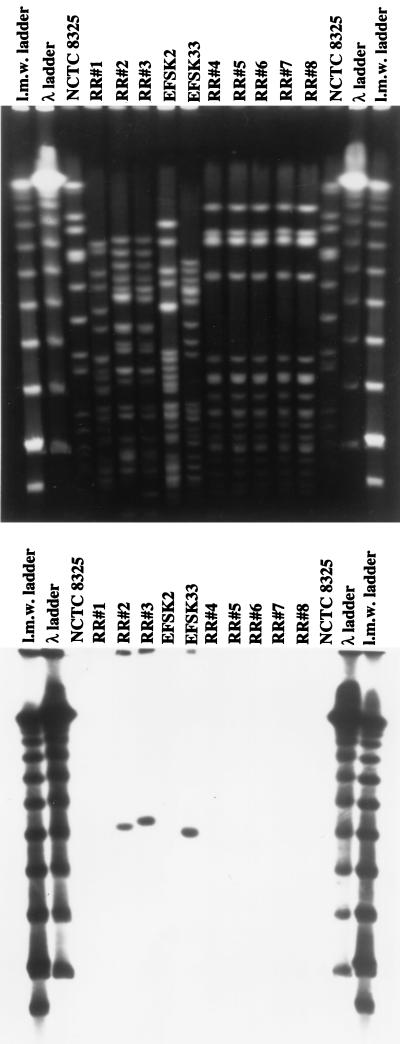
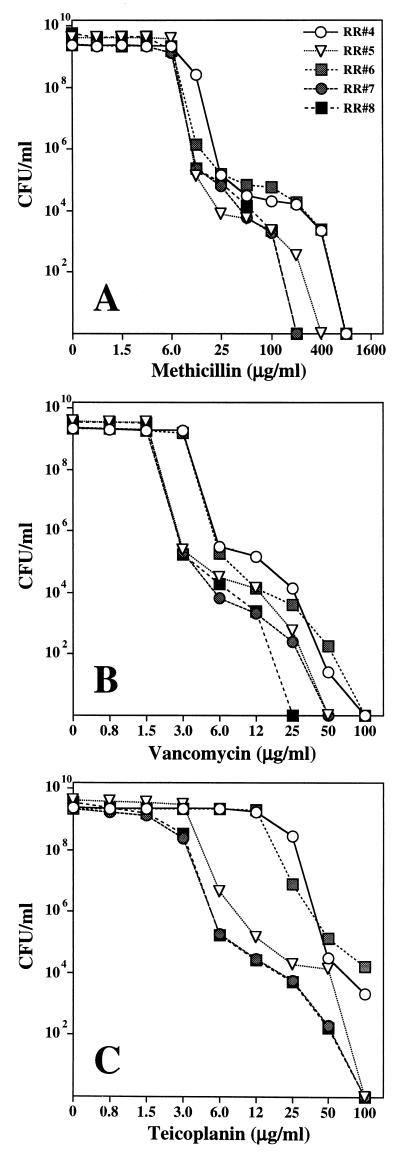
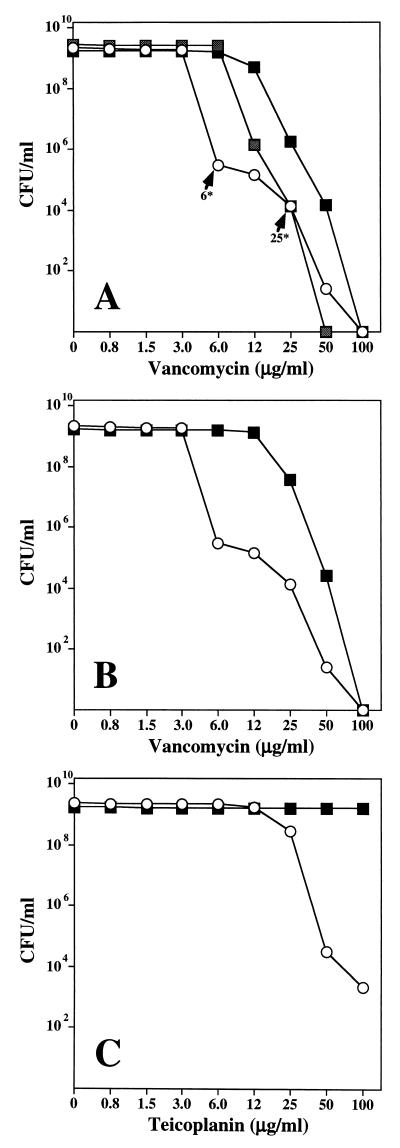
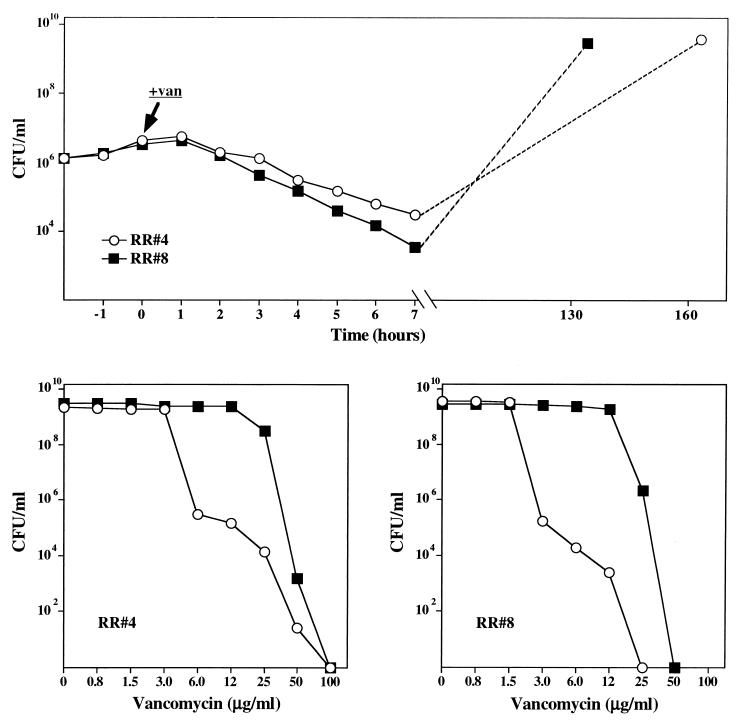
Methicillin-resistant Staphylococcus epidermidis (MRSE) was recovered over a 2-month period from the dialysis fluid of a peritoneal dialysis (PD) patient who experienced recurrent episodes of peritonitis during therapeutic and prophylactic use of vancomycin. Characterization of five consecutive MRSE isolates by molecular and microbiological methods showed that they were representatives of a single strain, had reduced susceptibility to vancomycin, did not react with DNA probes specific for the enterococcal vanA or vanB gene, and showed characteristics reminiscent of the properties of a recently described vancomycin-resistant laboratory mutant of Staphylococcus aureus. Cultures of these MRSE isolates were heterogeneous: they contained-with a frequency of 10(-4) to 10(-5)-bacteria for which vancomycin MICs were high (25 to 50 microg/ml) which could easily be selected to "take over" the cultures by using vancomycin selection in the laboratory. In contrast, the five consecutive MRSE isolates recovered from the PD patient during virtually continuous vancomycin therapy showed no indication for a similar enrichment of more resistant subpopulations, suggesting the existence of an "occult" infection site in the patient (presumably at the catheter exit site) which was not accessible to the antibiotic.
Figures
References
-
- Brown M R, Allison D G, Gilbert P. Resistance of bacterial biofilms to antibiotics: a growth-rate related effect? J Antimicrob Chemother. 1988;22:777–780. - PubMed
-
- Centers for Disease Control and Prevention. Staphylococcus aureuswith reduced susceptibility to vancomycin—United States, 1997. Morbid Mortal Weekly Rep. 1997;46:765–766. - PubMed
-
- Centers for Disease Control and Prevention. Update: Staphylococcus aureuswith reduced susceptibility to vancomycin—United States, 1997. Morbid Mortal Weekly Rep. 1997;46:813–815. - PubMed
-
- Chuard C, Vaudaux P E, Proctor R A, Lew D P. Decreased susceptibility to antibiotic killing of a stable small colony variant of Staphylococcus aureusin fluid phase and on fibronectin-coated surfaces. J Antimicrob Chemother. 1997;39:603–608. - PubMed
Publication types
MeSH terms
Substances
LinkOut - more resources
Full Text Sources
Medical
