


Therapeutic effect of clarithromycin on a transplanted tumor in rats
- PMID: 9869567
- PMCID: PMC89022
- DOI: 10.1128/AAC.43.1.67
Therapeutic effect of clarithromycin on a transplanted tumor in rats
Abstract
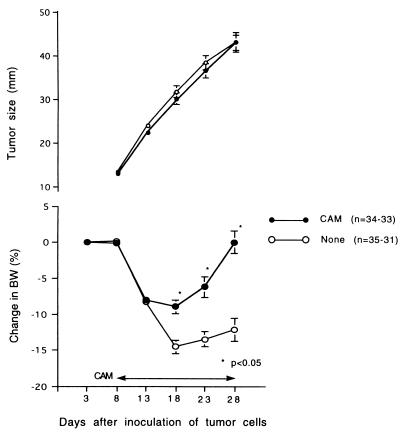
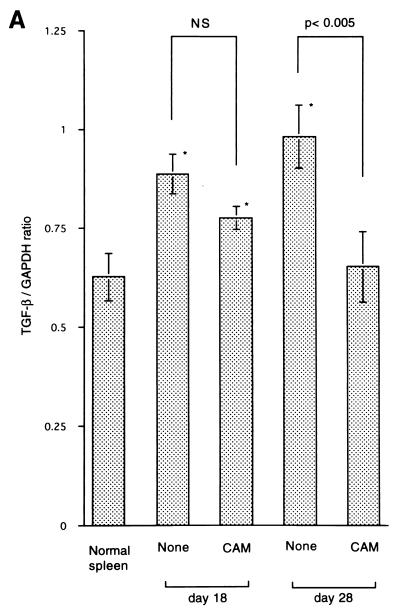
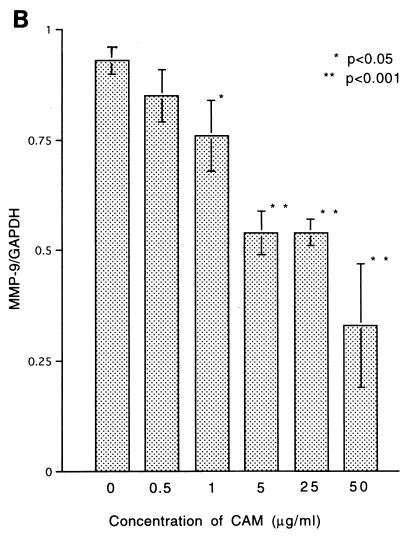
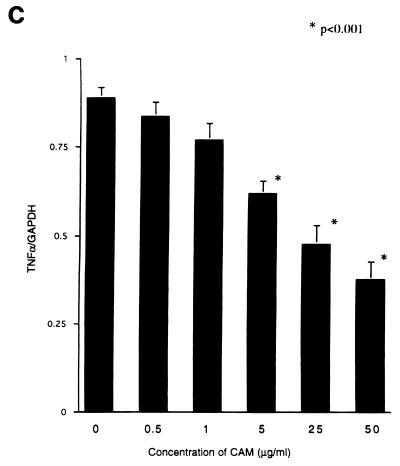
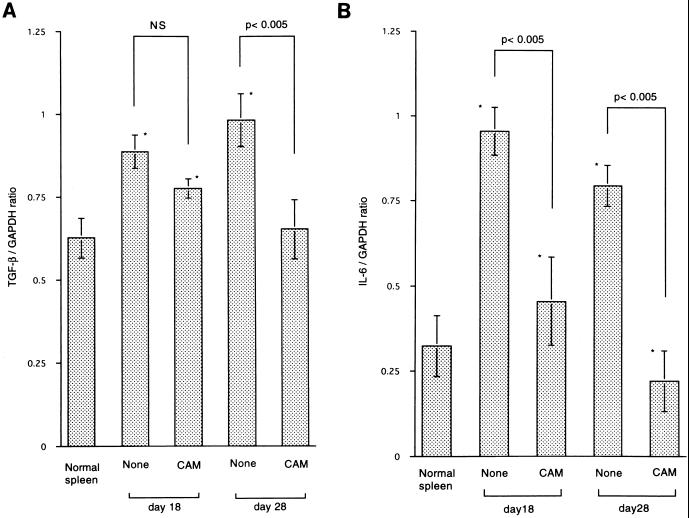
The therapeutic antitumor effect of clarithromycin (CAM) was examined with the 13762NF mammary adenocarcinoma and F-344 rat system. When CAM treatment at a dosage of 2 mg/kg of body weight orally for 21 days was commenced after inoculation of the tumor, no significant decrease in death rate was observed, although the loss in body weight was less than that in the untreated group. When tumor-bearing (TB) rats were treated with CAM in combination with carboplatin or cyclophosphamide, a significant decrease in the death rate was obtained, although neither treatment alone proved to be effective. A beneficial effect was also observed when CAM treatment was combined with surgical treatment. CAM showed no direct cytotoxicity to this tumor in vitro according to the MTT (3-[4, 5-dimethylthiazol-2-yl]-2,5-diphenyltetrazolium bromide) assay. Spleen cells obtained from TB rats receiving CAM treatment showed a stronger tumor-neutralizing activity than those from rats which had not received CAM treatment (Winn assay). Enhanced induction of cytotoxic cells to allogeneic tumor was also observed in rats immunized with allogeneic tumor cells together with CAM treatment (51Cr release assay). The 13762NF tumor produces transforming growth factor-beta (TGF-beta), tumor necrosis factor alpha, and matrix metalloproteinase-9, and treatment of tumor cells with CAM in vitro for 24 h significantly inhibited the expression of the genes coding for these proteins (reverse transcription-PCR). Levels of expression of the TGF-beta and interleukin-6 genes of spleen cells obtained from CAM-treated TB rats were both significantly lower than those of spleen cells from CAM-untreated TB rats. This study suggests that CAM has biological response modifier activities resulting in a beneficial therapeutic antitumor effect and might be useful for the treatment of human cancers.
Figures
References
-
- Anderson R. Erythromycin and roxithromycin potentiate human neutrophil locomotion in vitro by inhibition of leukoattractant-activated superoxide generation and autooxidation. J Infect Dis. 1989;159:966–973. - PubMed
-
- Chomczynski P, Sacchi N. Single-step method of RNA isolation by acid guanidium thiocyanate-phenol-chloroform extraction. Anal Biochem. 1987;162:156–159. - PubMed
-
- Espat N J, Copeland E M, Moldawer L L. Tumor necrosis factor and cachexia: a current perspective. Surg Oncol. 1994;3:255–262. - PubMed
-
- Finch R. Immunomodulatory effects of antimicrobial agents. J Antimicrob Chemother. 1980;6:691–699. - PubMed
MeSH terms
Substances
LinkOut - more resources
Full Text Sources
Other Literature Sources
