


Identification of Candida dubliniensis in a prospective study of patients in the United States
- PMID: 9889211
- PMCID: PMC84296
- DOI: 10.1128/JCM.37.2.321-326.1999
Identification of Candida dubliniensis in a prospective study of patients in the United States
Abstract
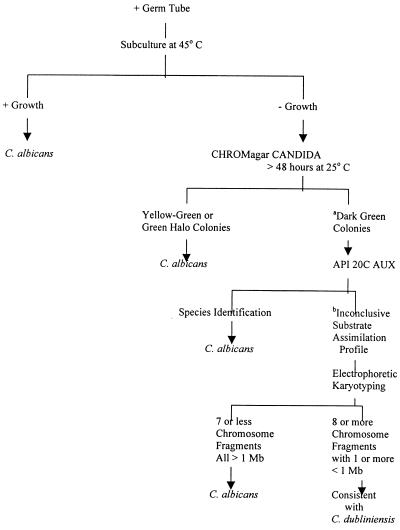
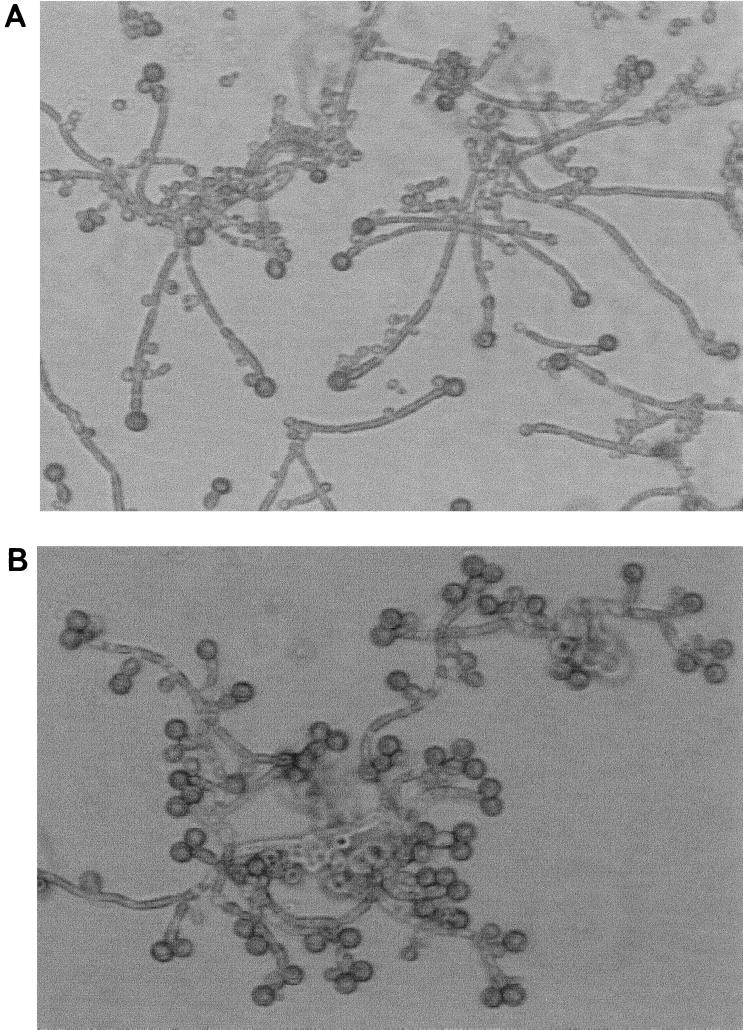
Although Candida albicans remains the fungal species most frequently isolated as an opportunistic oral pathogen, other yeast species are often identified in human immunodeficiency virus (HIV)-seropositive patients. Candida dubliniensis phenotypically resembles C. albicans in many respects, yet it can be identified and differentiated as a unique Candida species by its phenotypic and genetic profiles. The purpose of the present study was to prospectively test for the presence of C. dubliniensis among clinical isolates and to determine the clinical and demographic characteristics of patients harboring C. dubliniensis. Over a 90-day period, isolates from 724 patients that were presumptively identified as C. albicans were screened for C. dubliniensis by use of tests for germ tube and chlamydospore production, by detection of an inability to grow at 45 degrees C, by colony color on CHROMagar Candida medium, and by the results of a sugar assimilation test with the API 20C AUX yeast identification system. Among 699 isolates retrieved from those specimens evaluated, 5 from 25 HIV-seropositive patients and 1 isolate from a patient whose HIV status was unknown were shown to be consistent by phenotyping and by electrophoretic karyotyping with the European reference strain of C. dubliniensis. One of the C. dubliniensis isolates had dose-dependent susceptibility to fluconazole (MIC, 16 microg/ml). These results confirm the presence of this interesting species in the United States and support the need for further investigations into the prevalence and pathogenesis of C. dubliniensis.
Figures

References
-
- Coleman D C, Sullivan D J, Bennett D E, Moran G P, Barry H J, Shanky D B. Candidiasis: the emergence of a novel species, Candida dubliniensis. AIDS. 1997;11:557–567. - PubMed
-
- Elie C M, Lasker B A, Mayer L W, Pruitt W R, Smith G, Rimland D, Gallagher L, Reiss E, Morrison C J, McNeil M M. Abstracts of the 98th General Meeting of the American Society for Microbiology 1998. Washington, D.C: American Society for Microbiology; 1998. Rapid differentiation of Candida dubliniensis from atypical C. albicans isolates using species-specific DNA probes, abstr. C-290; p. 179.
-
- Isenberg H D, editor. In vitro antifungal susceptibility testing of yeasts. I. Washington, D.C: American Society for Microbiology; 1992.
MeSH terms
Substances
LinkOut - more resources
Full Text Sources
Medical
