


Functional characterization of nine Norway Spruce TPS genes and evolution of gymnosperm terpene synthases of the TPS-d subfamily
- PMID: 15310829
- PMCID: PMC520763
- DOI: 10.1104/pp.104.042028
Functional characterization of nine Norway Spruce TPS genes and evolution of gymnosperm terpene synthases of the TPS-d subfamily
Abstract
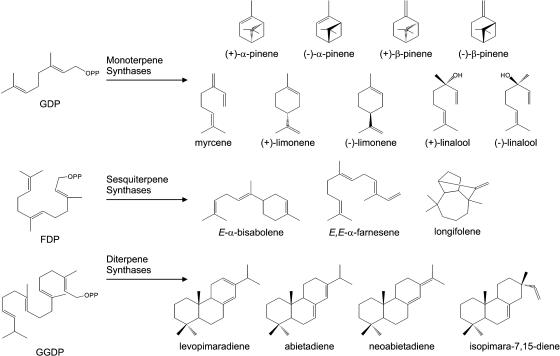
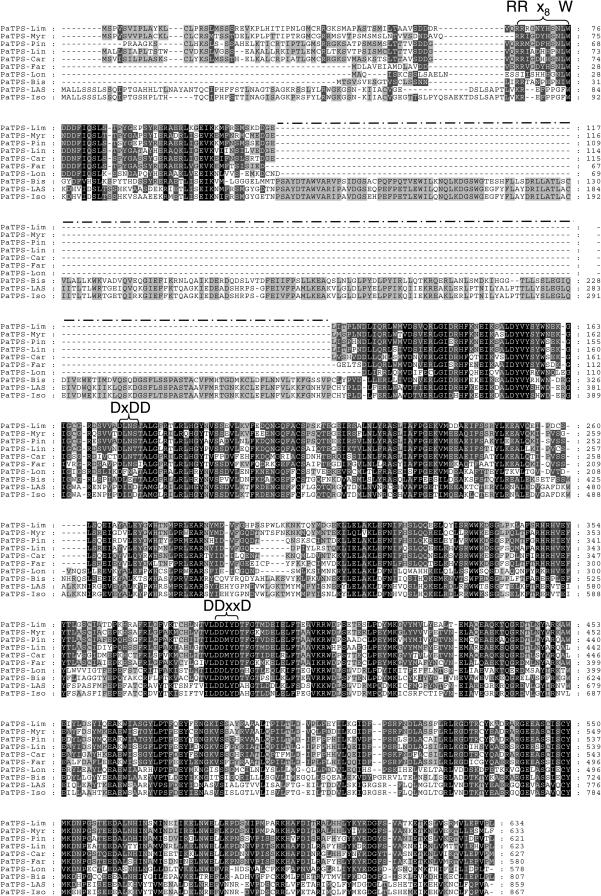
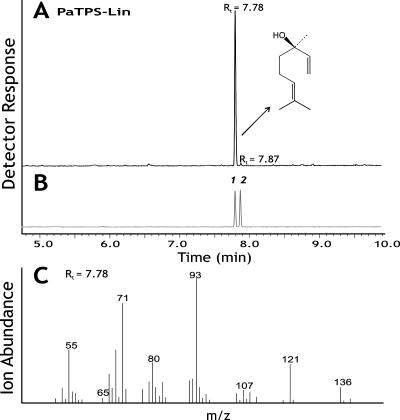
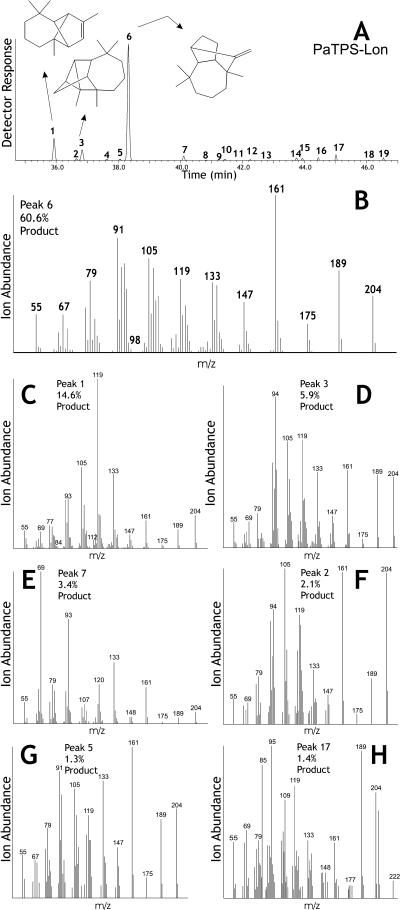
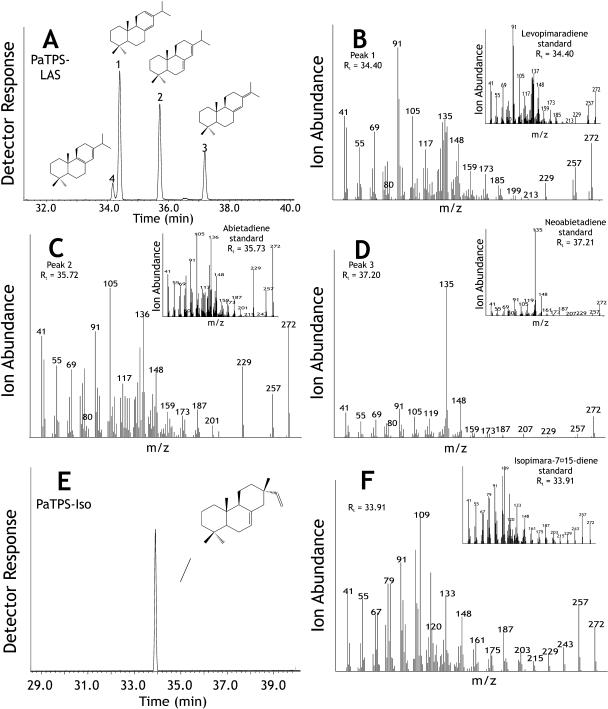
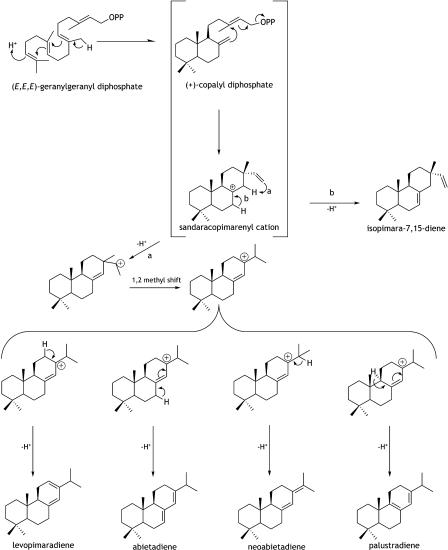
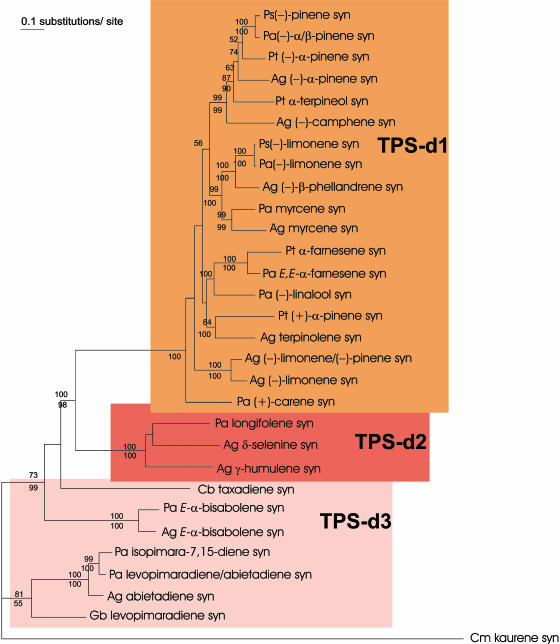
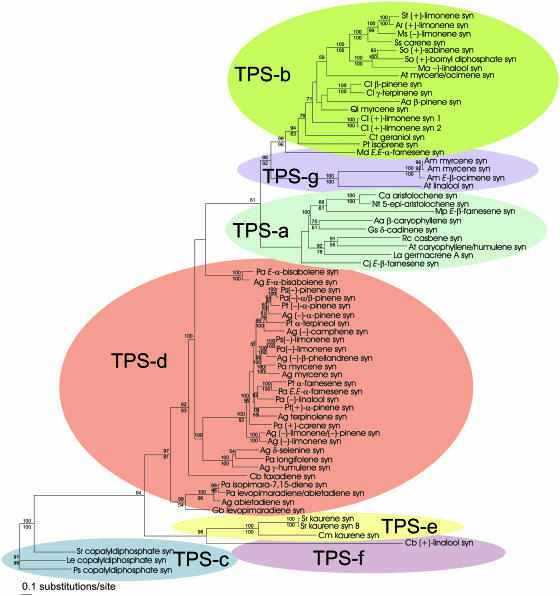
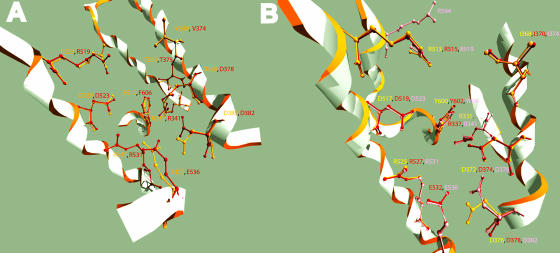
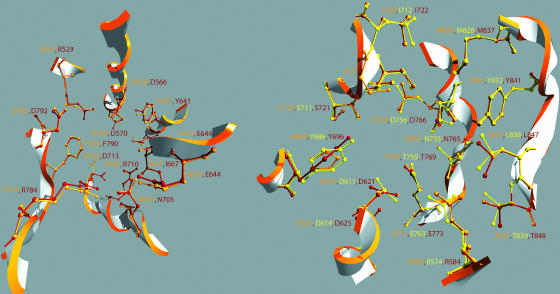
Constitutive and induced terpenoids are important defense compounds for many plants against potential herbivores and pathogens. In Norway spruce (Picea abies L. Karst), treatment with methyl jasmonate induces complex chemical and biochemical terpenoid defense responses associated with traumatic resin duct development in stems and volatile terpenoid emissions in needles. The cloning of (+)-3-carene synthase was the first step in characterizing this system at the molecular genetic level. Here we report the isolation and functional characterization of nine additional terpene synthase (TPS) cDNAs from Norway spruce. These cDNAs encode four monoterpene synthases, myrcene synthase, (-)-limonene synthase, (-)-alpha/beta-pinene synthase, and (-)-linalool synthase; three sesquiterpene synthases, longifolene synthase, E,E-alpha-farnesene synthase, and E-alpha-bisabolene synthase; and two diterpene synthases, isopimara-7,15-diene synthase and levopimaradiene/abietadiene synthase, each with a unique product profile. To our knowledge, genes encoding isopimara-7,15-diene synthase and longifolene synthase have not been previously described, and this linalool synthase is the first described from a gymnosperm. These functionally diverse TPS account for much of the structural diversity of constitutive and methyl jasmonate-induced terpenoids in foliage, xylem, bark, and volatile emissions from needles of Norway spruce. Phylogenetic analyses based on the inclusion of these TPS into the TPS-d subfamily revealed that functional specialization of conifer TPS occurred before speciation of Pinaceae. Furthermore, based on TPS enclaves created by distinct branching patterns, the TPS-d subfamily is divided into three groups according to sequence similarities and functional assessment. Similarities of TPS evolution in angiosperms and modeling of TPS protein structures are discussed.
Figures
References
-
- Adams RP (2002) The Identification of Essential Oil Components by Gas Chromatography/Quadrupole Mass Spectroscopy. Allured Publishing, Carol Stream, IL
-
- Alfaro RI, Borden JH, King JN, Tomlin ES, McIntosh RL, Bohlmann J (2002) Mechanisms of resistance in conifers against shoot infesting insects. In MR Wagner, KM Clancy, F Lieutier, TD Paine, eds, Mechanisms and Deployment of Resistance in Trees to Insects. Kluwer Academic Press, Dordrecht, The Netherlands, pp 101–126
-
- Arimura G, Huber DPW, Bohlmann J (2004) Forest tent caterpillars (Malacosoma disstria) induce local and systemic diurnal emissions of terpenoid volatiles in hybrid poplar (Populus trichocarpa x deltoides): cDNA cloning, functional characterization, and patterns of gene expression of (−)-germacrene D synthase, PtdTPS1. Plant J 37: 603–616 - PubMed
-
- Aubourg S, Lecharny A, Bohlmann J (2002) Genomic analysis of the terpenoid synthase (AtTPS) gene family of Arabidopsis thaliana. Mol Genet Genomics 267: 730–745 - PubMed
Publication types
MeSH terms
Substances
Associated data
- Actions
- Actions
- Actions
- Actions
- Actions
- Actions
- Actions
- Actions
- Actions
LinkOut - more resources
Full Text Sources
Other Literature Sources
Molecular Biology Databases
